Children build their understanding of the world through the stories they hear every day. Long before they study history or geography in a classroom, they form impressions about people, places, and identities through picture books and read aloud moments. That is why representation in everyday stories matters so deeply for young readers. It shapes how they see themselves and how they see others.
When children encounter characters who look like them, eat the foods they eat, celebrate the holidays they celebrate, or live in communities similar to their own, they experience affirmation. That affirmation is not superficial. It reinforces the message that their lives and experiences are worthy of being told. Feeling seen in literature supports self-confidence and a sense of belonging.
Equally important is the representation of people whose lives differ from a child’s own. Stories that include diverse cultures, traditions, and settings expand a reader’s understanding of what is normal. When diversity appears naturally in everyday narratives, it becomes part of a shared human story rather than an exception. This normalization is essential in early childhood development.
Representation is most effective when it is woven into ordinary experiences rather than presented as a special lesson. Children respond to relatable situations such as helping a neighbor, sharing a meal, or finishing a busy day. When diverse characters participate in these common activities, readers absorb inclusion without feeling instructed. They simply recognize that the world contains many kinds of people living meaningful lives.
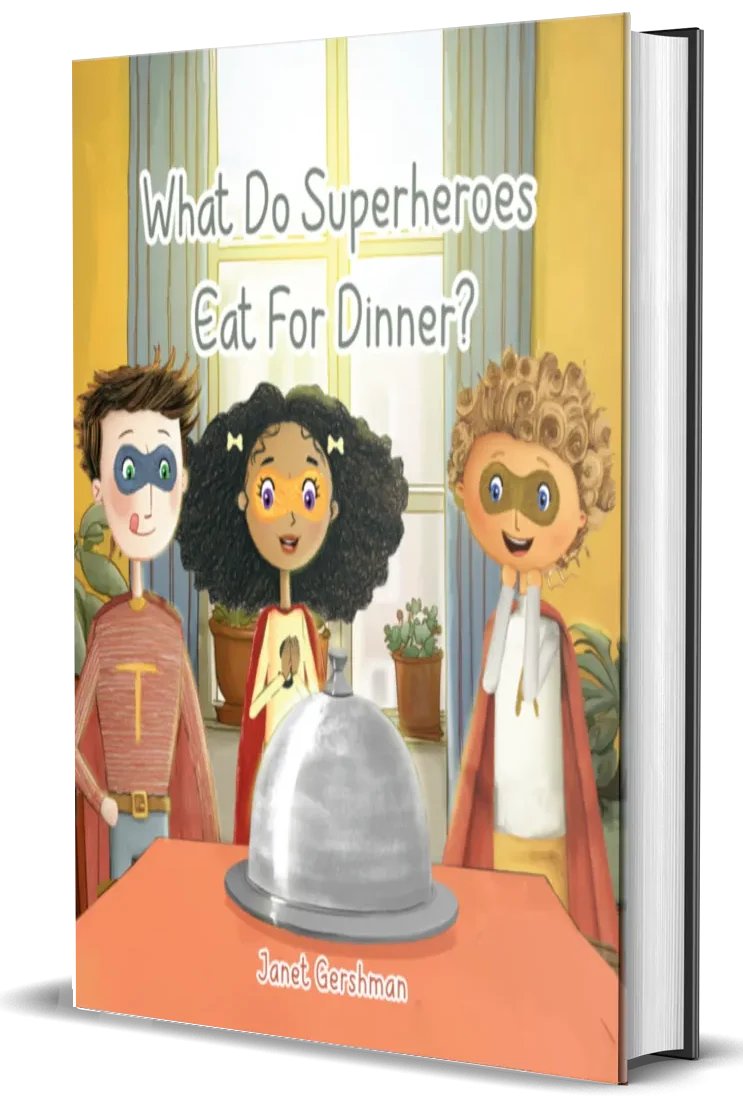
In What Do Superheroes Eat for Dinner? by Janet Gershman, representation appears through global settings and cultural foods embedded in an accessible superhero adventure. The characters travel to Italy, China, and Mexico, helping others and enjoying local meals such as pasta, dumplings, and tacos. These details are integrated into the story’s natural rhythm. The focus remains on kindness, teamwork, and curiosity, while cultural elements enrich the narrative.
For a child whose family prepares dumplings or tacos at home, seeing those foods celebrated in a joyful story can be validating. It signals that their cultural traditions are valued. For a child unfamiliar with those dishes, the story becomes an introduction rather than a contrast. Curiosity replaces unfamiliarity.
Representation also influences empathy. When children repeatedly encounter characters from varied backgrounds portrayed positively and realistically, they learn to associate difference with interest rather than fear. Exposure through storytelling fosters perspective taking. A young reader begins to imagine how others live, what they enjoy, and what matters to them.
Moreover, inclusive everyday stories help counter stereotypes before they take root. When diverse characters are shown as heroes, helpers, friends, and family members, children internalize broader possibilities. They learn that identity does not limit capability. This understanding supports both personal aspiration and respect for others.
Parents and educators play a crucial role in selecting books that reflect a wide range of experiences. A thoughtfully curated home or classroom library communicates that diversity is part of daily life. The goal is not to overwhelm children with heavy themes but to ensure that multiple voices and cultures are present in ordinary storytelling.
When representation becomes a consistent feature of children’s literature, it strengthens social development. Children who feel seen develop confidence. Children who see others develop empathy. Together, these outcomes contribute to more inclusive communities.
Everyday stories carry quiet influence. A simple bedtime book, a classroom read aloud, or a shared afternoon story can shape how a child understands belonging and difference. By embracing representation as a natural component of children’s literature, authors, parents, and educators help young readers grow into individuals who recognize both their own value and the value of others.
Available On Amazon: https://www.amazon.com/dp/B0GPHLSWMK/