Superheroes have always captured the imagination of children. They are strong, brave, and capable of incredible feats. Yet, what truly makes a superhero meaningful is not their strength, but their willingness to help others. In What Do Superheroes Eat for Dinner? by Janet Gershman, this idea is brought to life in a way that is simple, engaging, and has a lasting impact on young readers.
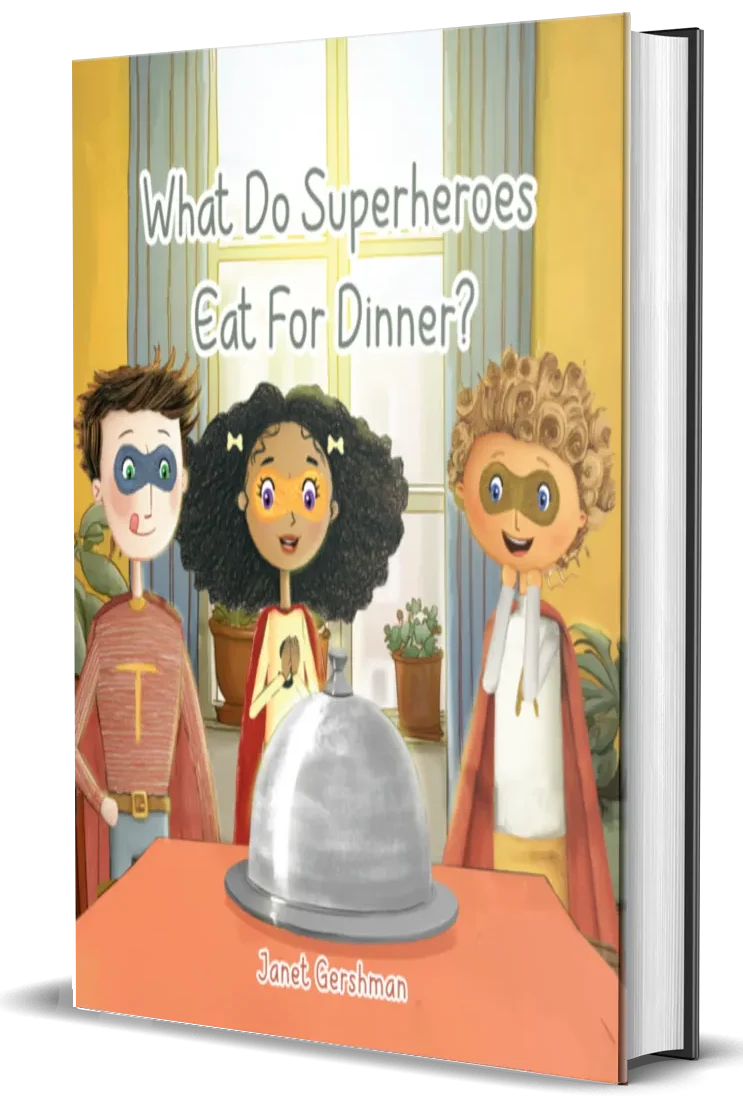
At its core, the story presents superheroes as helpers. They travel from place to place, stepping in whenever someone is in need. Whether it is rescuing someone from danger or lending a hand with everyday tasks, their actions consistently reflect care and compassion. This portrayal helps children understand that kindness is not limited to grand gestures. It can be found in both big moments and small, everyday actions.
Children often look up to superheroes as role models. When those heroes demonstrate kindness, it becomes something children naturally want to imitate. The story does not rely on direct instruction or heavy messaging. Instead, it shows kindness in action. This allows children to absorb the lesson without feeling like they are being taught. They see the behaviour, understand its value, and begin to recognise it in their own lives.
Another strength of the story is its focus on helping without expecting anything in return. The superheroes help others because it is the right thing to do. This reinforces the idea that kindness comes from genuine care, not from a desire for reward. When children see this repeated throughout the story, it helps shape their understanding of what it means to be kind.
The moments that follow each act of kindness add another layer of meaning. After helping others, the superheroes take time to enjoy a meal. This creates a gentle connection between doing good and experiencing joy. It shows children that helping others can lead to positive feelings and shared experiences. This emotional connection makes the lesson more memorable and meaningful.
The global setting of What Do Superheroes Eat for Dinner? by Janet Gershman also expands the idea of kindness beyond familiar surroundings. The superheroes help people in different parts of the world, showing that kindness is universal. It is not tied to one place or one group of people. This helps children understand that everyone deserves care and respect, no matter where they come from.
Another important aspect is how the story balances action with warmth. The superheroes are capable and confident, but they are also approachable and caring. This balance makes them relatable. Children can admire their abilities while also seeing parts of themselves in their actions. It shows that anyone can be kind, regardless of their strengths.
Parents and educators can use stories like this as a starting point for conversations. After reading, children can be encouraged to think about ways they can help others in their own lives. This could be as simple as sharing, offering help, or showing understanding. These small actions reflect the same values seen in the story.
The simplicity of the storytelling makes it especially effective. The message is clear, but it is delivered through engaging scenes and relatable situations. This ensures that children remain interested while still absorbing the deeper meaning.
What Do Superheroes Eat for Dinner? by Janet Gershman shows that true heroism lies in kindness. By presenting superheroes as caring and helpful individuals, the story encourages children to see kindness as a strength. It reminds them that being a hero does not require special powers. It begins with the simple choice to help others.
Don’t Miss Out – Available on Amazon:
https://www.amazon.com/dp/1972134108/