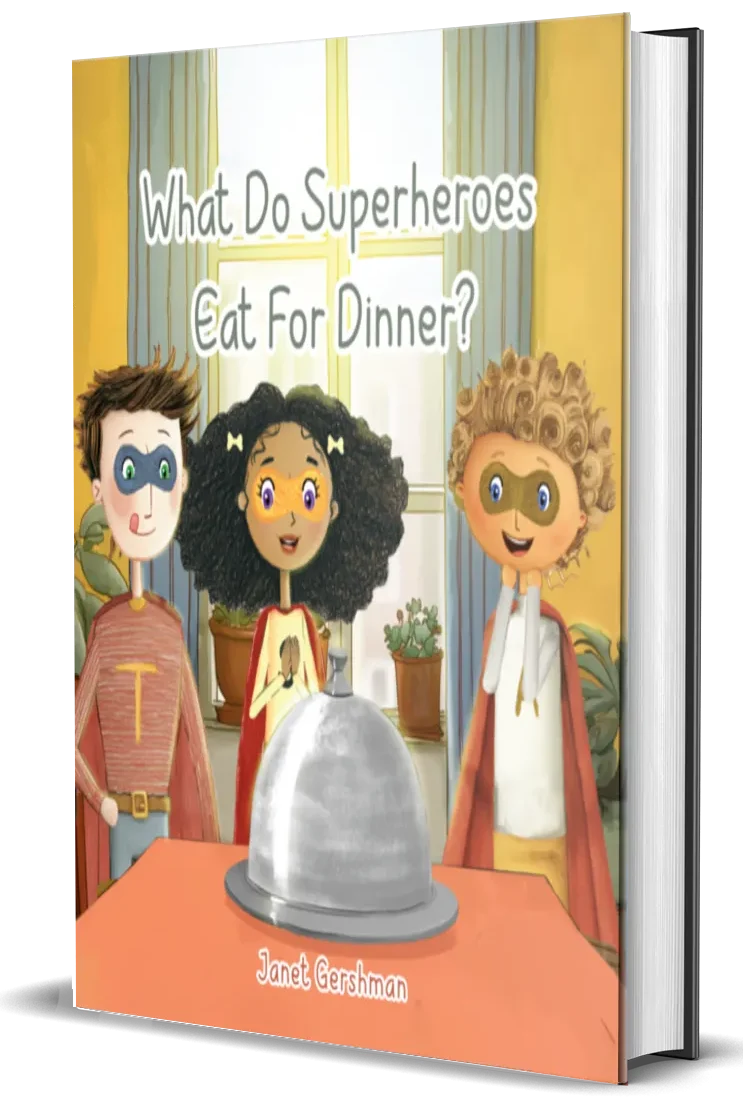
Children are naturally curious about the world, and stories give them a safe and exciting way to explore it. When food becomes part of those stories, learning feels like an adventure rather than a lesson. Books such as What Do Superheroes Eat for Dinner? by Janet Gershman bring together imagination, kindness, and global cuisine, helping children discover how people around the world eat, live, and share meals.
One of the most engaging ways to introduce global foods is by connecting them to characters and journeys. When children follow a story where heroes travel from place to place, they begin to associate each destination with something meaningful. Food becomes more than just something on a plate. It becomes part of a story they understand and enjoy.
Italy is often a familiar starting point for children. Pasta is simple, fun, and easy to recognise. You can explain that pasta comes in many shapes and is enjoyed with different sauces. Encourage children to notice colours, textures, and flavours. Ask them what shape they like best or what sauce they would choose. This keeps the experience interactive and personal.
China offers a different experience with foods like dumplings. These small, filled pockets are fun to look at and even more fun to eat. Children enjoy the idea of food that can be opened or shaped. You can describe how dumplings are often shared with family and friends, showing that food is also about togetherness and celebration.
Mexico introduces bold colours and exciting combinations. Tacos are a great example because children can see each ingredient clearly. Talk about how tacos can be filled with different items, allowing everyone to create their own version. This helps children understand that food can be flexible and creative, just like the stories they read.
To make this learning approach effective, keep explanations simple and engaging. Focus on sensory details such as taste, smell, and appearance. Instead of long descriptions, ask questions. What do you think this tastes like. Is it soft or crunchy. Would you try it again. These small prompts encourage children to think and respond.
Storytelling also helps reduce hesitation when trying new foods. When a child connects a dish to a favourite character or adventure, it feels less unfamiliar. A meal becomes part of a story they already trust. This emotional connection often makes them more open to tasting something fresh.
You can extend the experience by pairing reading time with small food activities. After finishing a story, offer a simple version of a dish mentioned or inspired by it. Even something as basic as a small tasting plate can make a big impact. It reinforces what they have learned and turns the story into a real life experience.
Creating a routine around this idea can be very effective. Choose one story each week and explore a new food connected to it. Over time, children build a wider understanding of the world without feeling overwhelmed. They begin to recognise patterns, differences, and similarities across cultures.
What Do Superheroes Eat for Dinner? by Janet Gershman is a strong example of how storytelling can introduce global foods in a way that feels natural and enjoyable. It shows children that trying new things can be exciting and rewarding. By combining stories with simple food exploration, families can create meaningful experiences that encourage curiosity, confidence, and a lasting interest in the world.
Don’t Miss Out – Available On Amazon: https://www.amazon.com/dp/1972134108/