Children love to create, and when imagination meets storytelling, something powerful happens. In What Do Superheroes Eat for Dinner? by Janet Gershman, young readers are not only taken on a journey across the globe, but they are also inspired to picture, design, and bring their own superheroes to life.
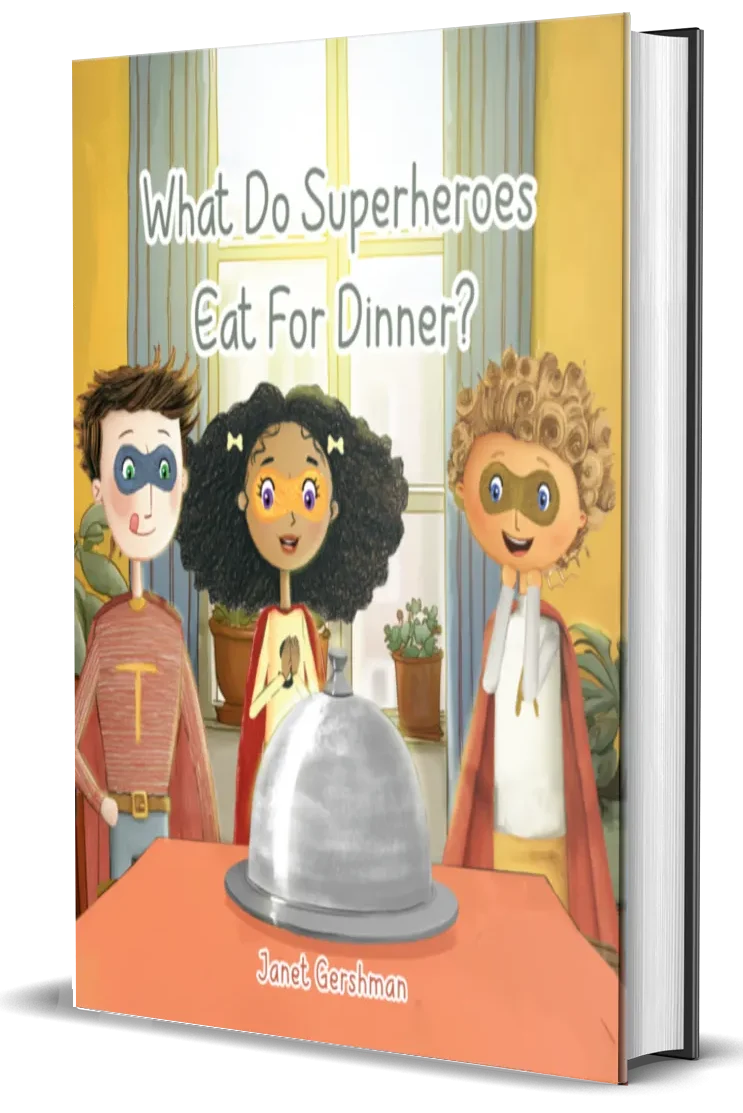
The story introduces a team of heroes travelling from place to place, helping others and discovering new foods along the way. This global setting naturally sparks creativity. Children begin to wonder what a superhero in another country might look like, what they might wear, and how they might help people in their own unique environment. This curiosity becomes the starting point for drawing and imaginative play.
When children draw superheroes based on different parts of the world, they begin to think beyond what they already know. A hero in Italy might be surrounded by lively streets and warm colours, while a hero in China could be imagined in a setting filled with tradition and history. In Mexico, bright tones and festive scenes might shape the way a child designs their character. These visual ideas help children connect creativity with cultural awareness in a natural and fun way.
Drawing also allows children to personalise their experience with the story. Instead of simply following along, they become part of the adventure. They can create new characters, imagine new locations, and even invent new meals for their superheroes to enjoy. This sense of ownership deepens their engagement and makes the story more memorable.
Another important aspect is how drawing strengthens storytelling skills. As children sketch their superheroes, they begin to think about who these characters are. What is their name? What is their special ability? Who do they help? Where do they travel? These questions encourage children to build narratives of their own, expanding on the themes introduced in the book.
The idea of superheroes helping others also plays a key role in shaping these creative activities. Children are not just drawing powerful characters; they are imagining acts of kindness and bravery. This reinforces positive values while keeping the activity fun and expressive. A child might draw a superhero helping someone carry groceries, rescuing an animal, or solving a problem in their community.
Visual creativity also supports confidence. There is no right or wrong way to design a superhero. Each drawing reflects a child’s unique perspective, which encourages self-expression without pressure. Over time, this builds confidence in their ideas and their ability to share them.
Parents and educators can easily turn this into an interactive activity. After reading What Do Superheroes Eat for Dinner? by Janet Gershman, children can be asked to draw a superhero from a country of their choice. They can add details such as the food their hero enjoys, the people they help, and the place they call home. This simple exercise transforms reading into an active and engaging experience.
It also opens the door for meaningful conversations. Children may ask questions about different countries, foods, and traditions as they draw. These moments provide opportunities to introduce new ideas in a way that feels connected to their interests.
The combination of storytelling and drawing creates a complete experience. Children read, imagine, and then create. This process keeps them engaged and helps them absorb the themes of the story in a deeper way.
What Do Superheroes Eat for Dinner? by Janet Gershman does more than tell a story. It invites children to think creatively, explore the world, and express their ideas through art. By encouraging drawing and imagination, it turns every reader into a creator, making the adventure truly their own.
Don’t Miss Out – Available on Amazon:
https://www.amazon.com/dp/1972134108/