Children do not learn kindness from instructions alone. They learn it through what they see, feel, and experience. Small acts such as helping someone carry groceries, comforting a friend, or lending a hand during a difficult moment quietly shape how a child understands right and wrong. Over time, these moments build a strong inner guide that influences their choices, actions, and relationships.
Stories play a powerful role in this process because they give children clear examples of behavior in action. In What Do Superheroes Eat for Dinner? By Janet Gershman, young readers follow a group of superheroes who travel the world, not just to save the day in dramatic ways but to help others in everyday situations. These moments are simple, relatable, and easy for children to understand. The message is clear. Being a hero is not about power alone. It is about kindness and willingness to help.
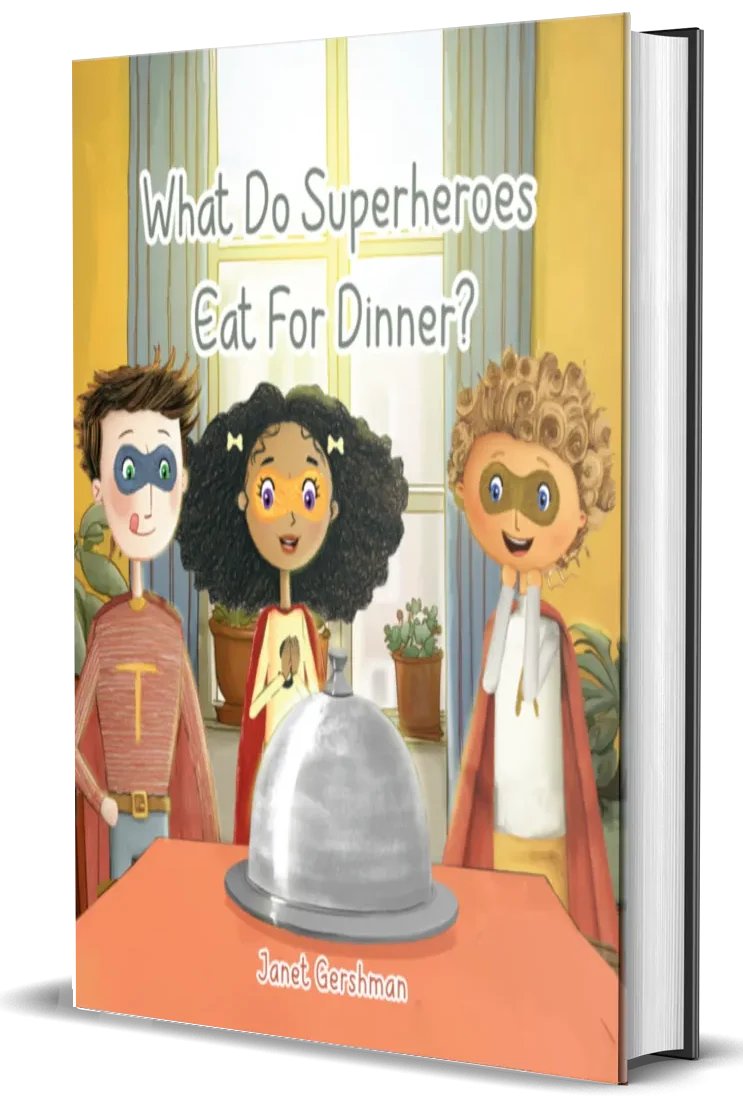
When children see characters helping others without expecting anything in return, they begin to understand empathy. They start to notice how others feel and why helping matters. For example, when a character steps in, to assist someone in need, it shows that paying attention to others is important. This awareness becomes the foundation of a child’s moral compass.
Another key element is consistency. When children repeatedly encounter examples of helpful behavior, it reinforces the idea that kindness is not a one-time action. It is a habit. In the story, each superhero performs different acts of help in different places. This repetition helps children understand that, no matter where they are, helping others is always the right choice.
Real life experiences strengthen this learning. Parents and caregivers can encourage children to take part in small acts of help at home or in their community. Simple actions such as setting the table, sharing toys, or assisting a sibling can mirror what they see in stories. When children practice these behaviors, they begin to internalize them. It becomes part of who they are rather than something they are told to do.
Positive reinforcement also plays an important role. When children are acknowledged for their helpful actions, they begin to associate kindness with positive feelings. This does not mean rewards in the form of gifts, but rather recognition, encouragement, and appreciation. A simple response such as thanking them or pointing out how their help made a difference can have a lasting impact.
Stories like What Do Superheroes Eat for Dinner? By Janet Gershman go a step further by connecting kindness with joy and fulfillment. After helping others, the characters share meals and reflect on their experiences. This shows children that doing good not only benefits others but also brings them happiness. It creates a complete picture of kindness as both meaningful and rewarding.
Children also learn that helping does not have to be complicated. It can be as simple as being present, noticing a need, and taking action. This removes the pressure of doing something grand and instead encourages everyday kindness. Over time, these small actions shape how children think about fairness, responsibility, and compassion.
A child’s moral compass is not formed overnight. It develops through repeated exposure to positive examples and opportunities to practice them. Books that highlight simple acts of help provide a strong starting point. They give children a clear understanding of what kindness looks like and why it matters.
What Do Superheroes Eat for Dinner? by Janet Gershman offers a meaningful way to introduce these values. Through engaging storytelling and relatable moments, it helps children see that being a hero is within their reach. All it takes is a willingness to help, one small act at a time.
Don’t Miss Out – Available On Amazon: https://www.amazon.com/dp/1972134108/